Fast Learn
- Money accounted for simply 14% of American shopper funds in 2025. Credit score and debit playing cards collectively dealt with practically two-thirds of transactions.
- 4 out of 5 Individuals nonetheless used money throughout the earlier 30 days. About 76% carried money, averaging $69 of their wallets or purses.
- On-line buying, fee apps, contactless expertise, and bank card rewards helped change on a regular basis spending. Money stays helpful for emergencies, suggestions, small purchases, and shoppers who worth privateness.

There was a time when leaving residence with out money felt about as smart as leaving with out your keys. Just a few payments lined lunch, groceries, fuel, a haircut, and doubtless a cease on the ironmongery store. No one wanted a password, a charged cellphone, or a card reader having a mysterious afternoon.
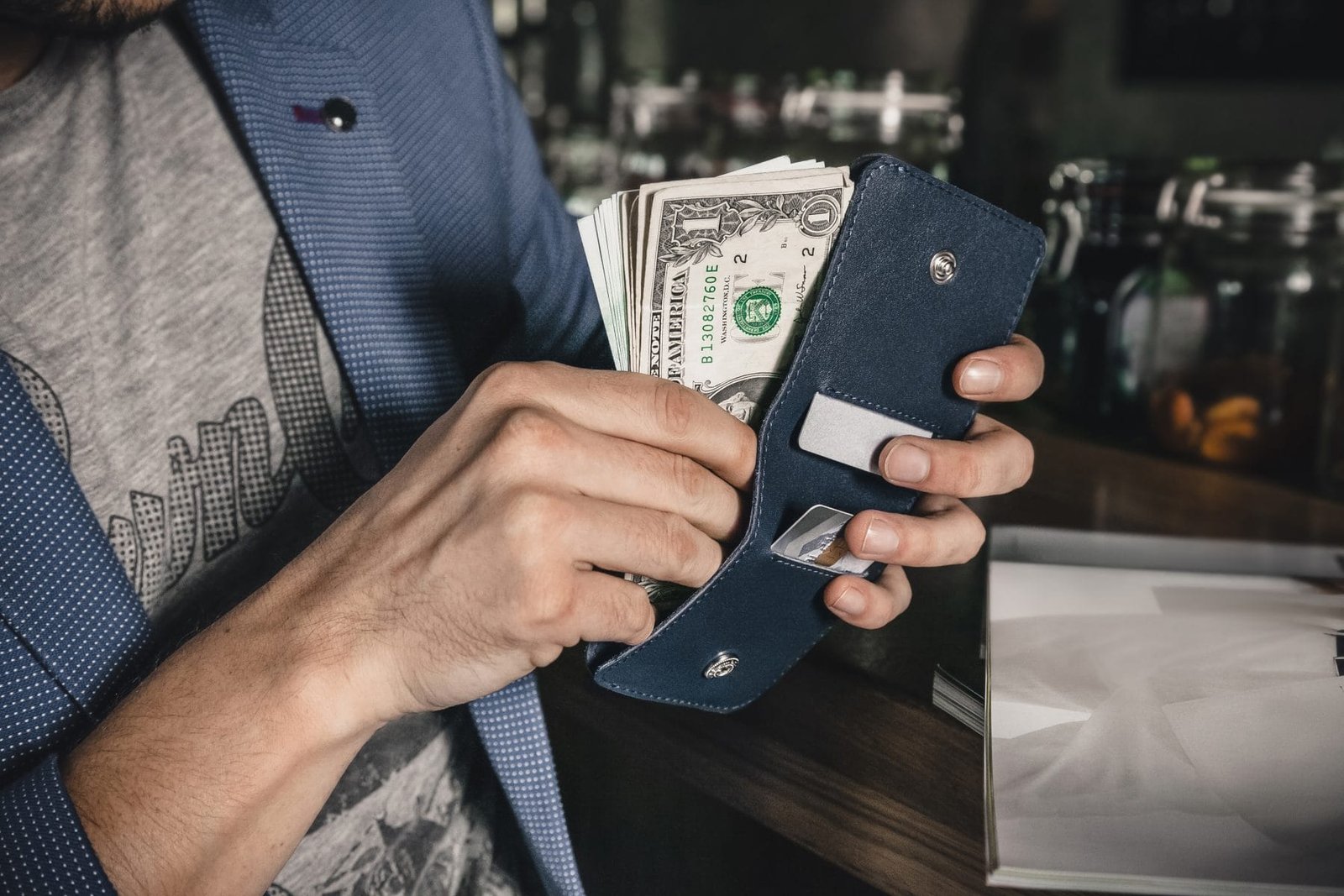
At this time, money usually performs a supporting position in American buying. Bank cards, debit playing cards, contactless funds, and digital wallets deal with purchases that after required folding cash. The change occurred regularly, then seemingly . And one thing fascinating occurred alongside the best way: Paying turned simpler, however the easy act of spending turned much less seen.
Money didn’t abruptly develop into ineffective. The world round it modified.
The Largest Change Wasn’t Money. It Was What Grew to become Doable With out It.
Money labored superbly in a world the place most buying occurred head to head. A buyer handed over cash, a cashier counted it, and the transaction ended. The association required little expertise and nearly no clarification. Even small companies might deal with funds with a register, a money drawer, and sufficient change.
Then buying began transferring past the bodily checkout counter. Individuals ordered groceries on-line, booked resort rooms from their sofas, paid payments by means of web sites, and subscribed to providers that charged them robotically. Strive paying a month-to-month streaming subscription with a $20 invoice. The logistics get ridiculous fairly shortly.
Digital funds made these transactions doable. Debit playing cards related on a regular basis purchases to checking accounts, whereas bank cards let clients purchase now and settle the invoice later. On-line retailers might course of funds with out ever seeing their clients. Money merely couldn’t compete with that comfort.
The shift additionally modified expectations. Prospects more and more needed to pay with out stopping to depend payments or anticipate change. Companies needed quicker checkout processes and fewer journeys to the financial institution. As soon as digital fee programs turned unusual, money began trying much less just like the default and extra like an optionally available additional.
Plastic Took Over, Then Telephones Joined the Get together
Credit score and debit playing cards didn’t arrive yesterday, however their usefulness expanded significantly as companies upgraded their fee programs. Chip readers, contactless terminals, and on-line fee processing made digital transactions simpler for purchasers and retailers alike. A fast faucet might change all the routine of opening a pockets, discovering the precise payments, and ready for change.
Bank cards additionally provided one thing money couldn’t: rewards. Relying on the cardboard, purchases might earn money again, journey factors, or different advantages. Some clients started routing practically each expense by means of a rewards card, then paying the stability month-to-month. That strategy could make sense for disciplined cardholders, though curiosity prices can shortly overwhelm the rewards.
Smartphones took the comfort additional. Apple Pay, Google Pockets, and related providers turned telephones into fee units. A buyer might depart the home and not using a bodily pockets and nonetheless purchase espresso, groceries, or dinner. Digital fee apps additionally simplified sending cash between associates, splitting restaurant payments, and reimbursing somebody for live performance tickets.
The Federal Reserve’s analysis reveals simply how far these habits have moved. In 2025, bank cards accounted for 34% of shopper funds, whereas debit playing cards accounted for 31%. Money represented simply 14%. The mixed share of card funds reached practically two-thirds of all transactions.
The Disappearing Money Behavior Has a Facet Impact
Money has one uncommon benefit: Spending it looks like spending one thing. A $50 invoice leaves the pockets, and the pockets seems noticeably thinner. That bodily suggestions could make budgeting simpler, notably for individuals who favor to divide their spending cash into separate envelopes. Playing cards take away a lot of that friction. A $6 lunch, a $14 on-line buy, and one other $9 convenience-store cease barely register individually. But these little transactions accumulate. By the point the bank card assertion arrives, a number of seemingly innocent purchases might have develop into an uncomfortable shock.
Bank cards introduce one other complication. They permit shoppers to spend borrowed cash, which creates alternatives for debt if somebody carries a stability. Debit playing cards draw immediately from checking accounts, however they will nonetheless make spending really feel much less tangible than handing over money.
There may be additionally the matter of charges. Companies usually pay processing prices when clients use playing cards, though the preparations differ by fee community and service provider. Some companies soak up these bills, whereas others use minimal buy necessities the place permitted or supply money reductions. A buyer shopping for a small espresso may encounter a card minimal that by no means existed when cash dominated the counter.
Money has not misplaced its usefulness. It has merely misplaced its place as the automated alternative for each transaction.
The Pandemic Accelerated a Change Already Underway
The pandemic pushed many companies and shoppers towards contactless and on-line funds. Curbside pickup, supply orders, on-line grocery buying, and reduced-contact checkout made digital funds particularly handy. Some companies additionally inspired clients to keep away from dealing with money throughout that interval. However the pandemic didn’t invent digital funds. The expertise and shopper habits already existed. The disruption merely gave extra individuals a purpose to make use of them usually.
One other lasting change concerned person-to-person funds. Paying a neighbor for a shared expense or sending cash to a member of the family as soon as meant discovering an ATM or writing a examine. Fee apps made these exchanges nearly speedy.
That comfort comes with a small warning. Sending cash by means of an app requires consideration to the recipient’s id, account particulars, and transaction phrases. A mistaken switch can create complications, and a few fee providers supply restricted choices for recovering cash despatched to the fallacious individual. Digital pace doesn’t robotically imply digital safety.
Money Nonetheless Has a Job, Even If It Misplaced Its Workplace
The Federal Reserve’s newest analysis affords an fascinating correction to the concept that money has practically disappeared. 4 out of 5 Individuals used money throughout the earlier 30 days in 2025. About 76% carried money of their wallets or purses, with a mean holding of $69.
Individuals nonetheless use money for suggestions, storage gross sales, small purchases, babysitters, and neighborhood companies. It additionally gives a backup when a card reader stops working or a fee community experiences an outage. Expertise has a behavior of demanding consideration exactly when somebody must pay.
Money additionally affords privateness that digital funds usually can’t match. A money buy doesn’t robotically create a transaction document with a financial institution or card issuer. For shoppers preferring fewer digital information of on a regular basis purchases, that may be interesting.
There may be one other consideration: Not everybody has equal entry to handy banking and digital fee providers. Some households rely extra closely on money, and a few shoppers merely favor it. Eliminating money solely would create sensible difficulties for individuals who rely upon it.
The Actual Change Is That Paying Grew to become Invisible
Maybe the strangest a part of trendy fee habits is how little consideration the precise transaction receives. A cellphone faucet, saved bank card, or computerized month-to-month cost can transfer cash with out requiring a lot thought. That’s splendidly handy when paying the electrical invoice, however much less useful when making an attempt to recollect the place the grocery funds went.
Money made spending seen. Digital funds made spending easy. Neither methodology robotically makes somebody higher with cash, however every creates completely different habits and potential pitfalls.
There may be loads of room for each. Holding some money accessible may also help with emergencies and small purchases, whereas playing cards and digital wallets deal with transactions that profit from pace and comfort. Checking account exercise and bank card statements usually additionally helps catch forgotten subscriptions and creeping on a regular basis bills.
Has money disappeared out of your on a regular basis routine, or do you continue to favor handing over payments for sure purchases? What was the very last thing you purchased with money?

Brandon Marcus is a workers author at District Media, Inc., the place he delivers sensible private finance, DIY, household, and life-style recommendation with a relatable, no-nonsense model. Holding a BA diploma and with over ten years {of professional} writing expertise, he’s an award-winning printed writer whose first e-book, Questions For Deep Thinkers, was launched by Adams Media. His work has appeared in main publications together with Fandom.com, CHUD.com, TheColdWire.com, and Fansided.com.